Starting an ecommerce business in 2026 is no longer just about listing products online and hoping for sales. The digital marketplace is smarter, more competitive, and more customer-driven than ever before. Buyers expect fast-loading websites, seamless checkout experiences, personalized product recommendations, and strong brand trust.
If you want to build a profitable ecommerce business, not just an online store that survives for a few months, you need strategy, technology, and long-term scalability in place from day one.
This complete guide walks you through every step - from idea validation to scaling - so you can build a revenue-generating ecommerce system that grows sustainably.
Step 1: Identify and Validate a Profitable Niche
Every successful ecommerce business starts with one thing: demand.
Before you invest in website development or marketing, validate that people are actively searching and buying in your chosen niche.
How to Validate Demand in 2026:
- Analyze search volume using SEO tools
- Check Amazon and marketplace best-sellers
- Monitor trending products on social platforms
- Review competitor pricing and reviews
- Study customer complaints to identify gaps
A profitable niche typically:
- Solves a specific problem
- Has repeat purchase potential
- Offers room for differentiation
- Maintains healthy profit margins
Avoid entering a market just because it’s trending. Trends fade. Sustainable demand doesn’t.
Step 2: Choose the Right Ecommerce Business Model
Your business model directly impacts your costs, control, and scalability.
Common Ecommerce Models in 2026:
1. Dropshipping
Low upfront investment, but lower control over shipping and margins.
2. Private Label
Higher profit margins, stronger branding, but requires inventory management.
3. Print-on-Demand
Good for creative entrepreneurs minimal inventory risk.
4. Digital Products
Highest margins; scalable and automated once built.
5. Subscription-Based Ecommerce
Recurring revenue model with higher customer lifetime value.
Each model has pros and cons. Choose one aligned with your long-term growth goals - not just quick profits.
Step 3: Create a Strategic Ecommerce Business Plan
Most ecommerce failures happen due to lack of planning, not lack of ideas.
Your business plan should clearly define:
- Target audience and buyer persona
- Unique selling proposition (USP)
- Pricing and margin strategy
- Marketing channels
- Monthly cost projections
- Break-even timeline
In 2026, investors and partners look for data-backed planning - not assumptions.
Choosing the right ecommerce platform is one of the most critical decisions you’ll make.
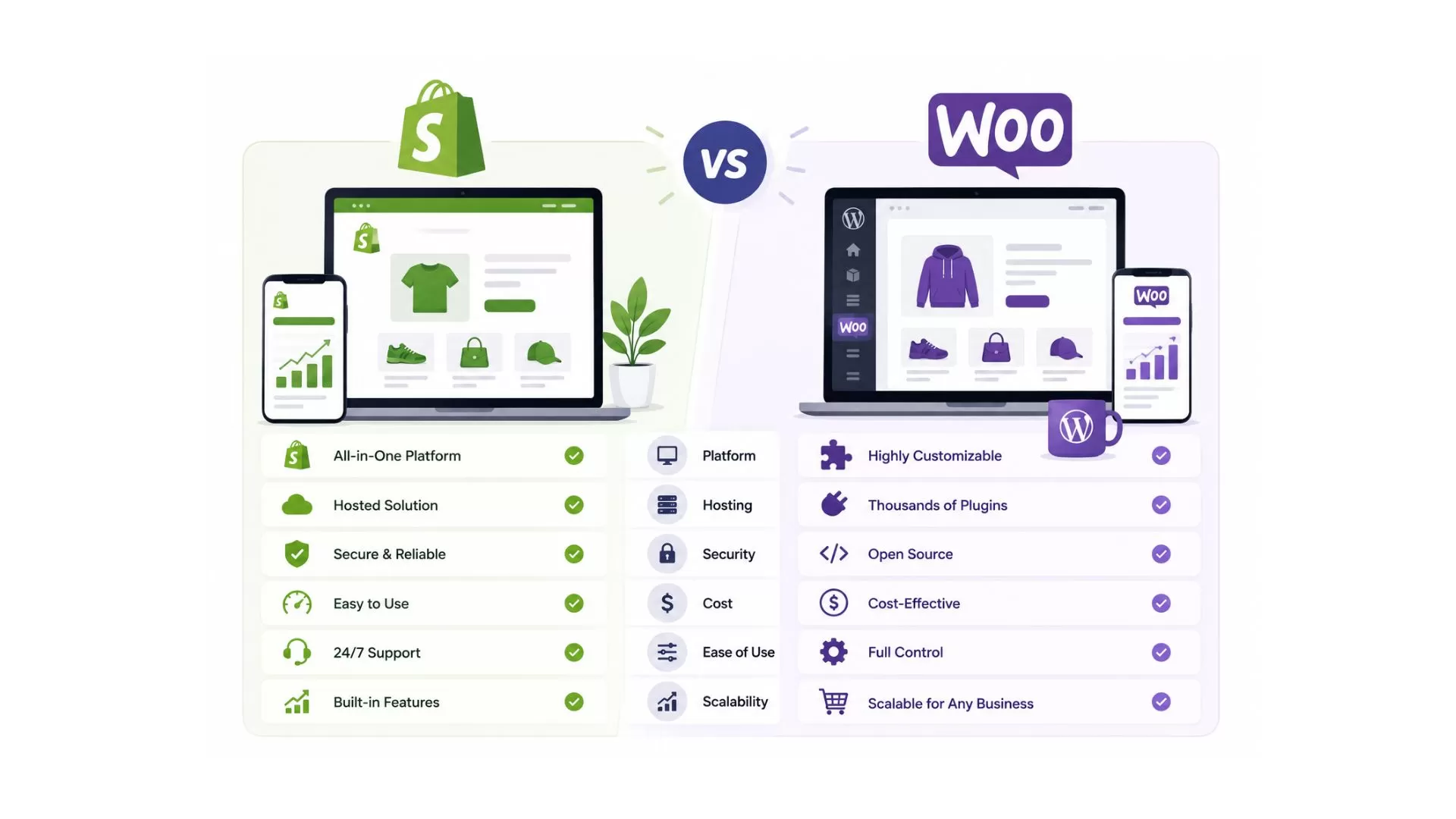
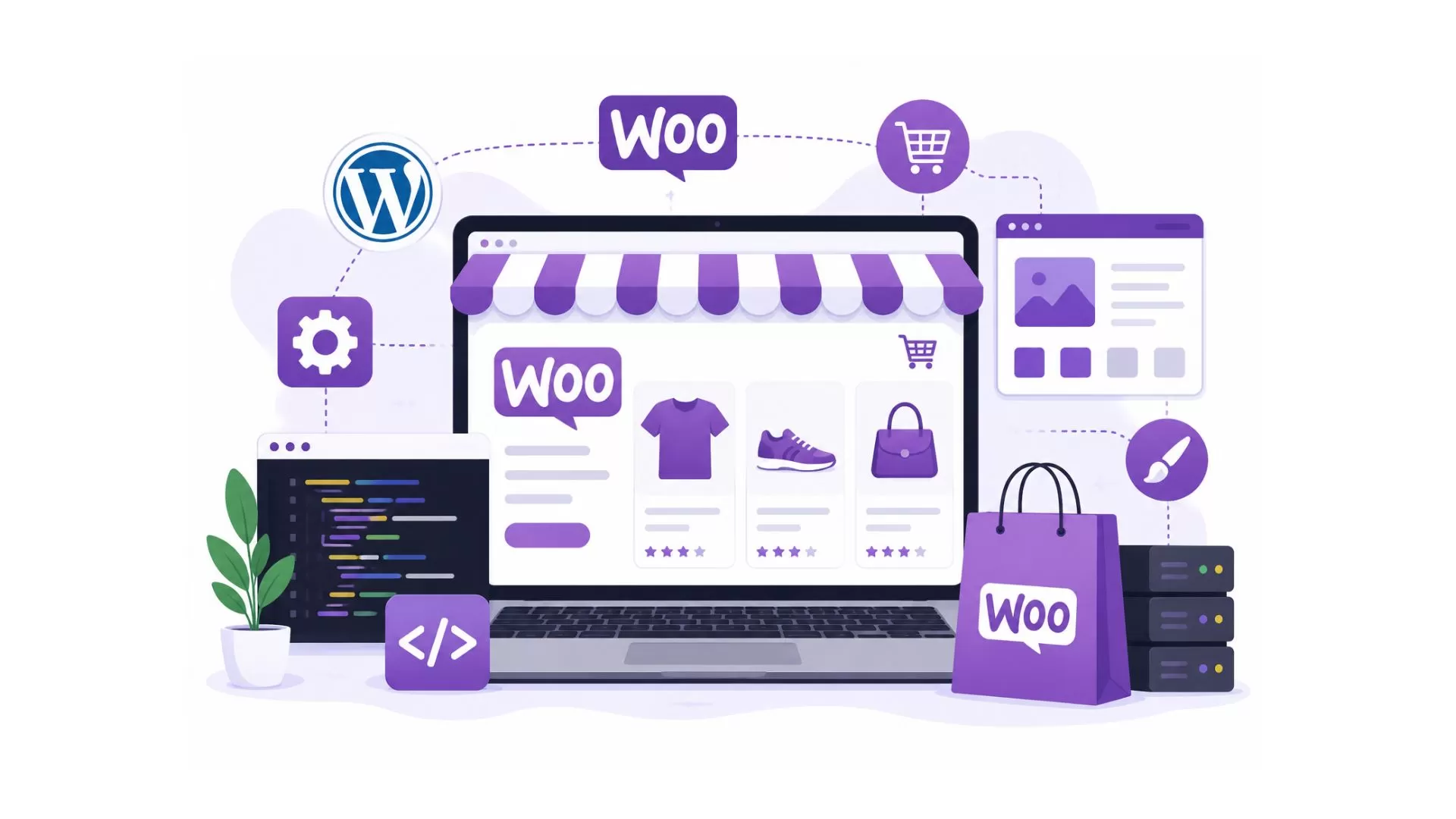
Popular options include:
While template platforms are quick to launch, they often limit scalability, customization, and advanced integrations.
If your goal is long-term profitability, you must consider:
- Website speed
- Mobile optimization
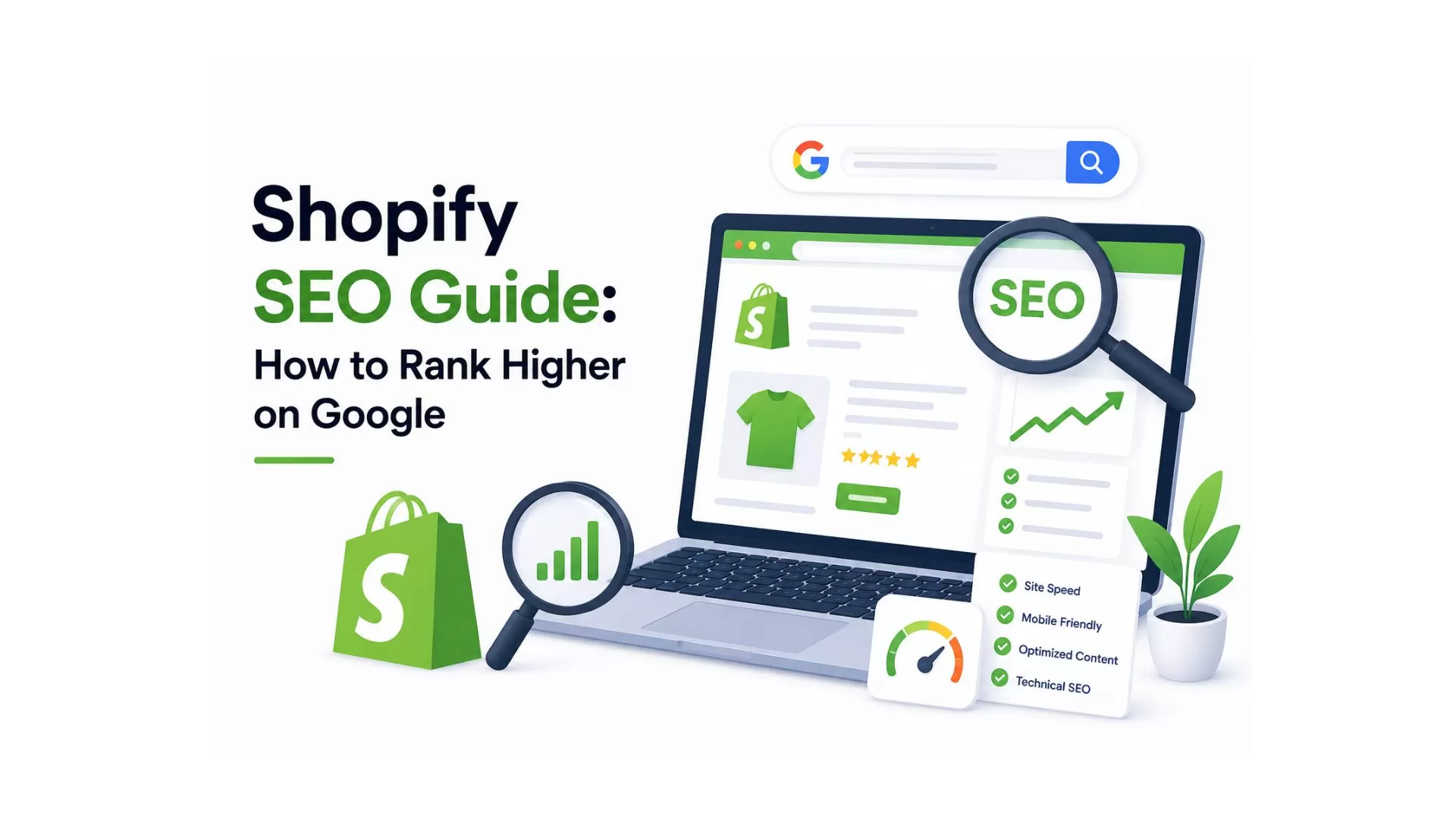
- SEO structure
- CRM integration
- Automation capabilities
- Custom checkout flow
- Future scalability
Many growing businesses eventually shift from basic templates to custom ecommerce solutions for better performance and control.
Step 5: Build a High-Converting Ecommerce Website
Building a high-converting ecommerce store requires the right structure, performance optimization, and scalable development strategy. If you want a deeper technical breakdown, explore our complete ecommerce website development guide.
A profitable ecommerce website must include:
1. Lightning-Fast Loading Speed
Website performance plays a critical role in conversions. Learn more about ecommerce website speed optimization and how loading time impacts sales.
2. Mobile-First Design
Over 70% of ecommerce traffic now comes from mobile devices.
3. Conversion-Optimized UX
- Clear call-to-action buttons
- Easy navigation
- Minimal checkout steps
- Trust badges and reviews
4. SEO-Optimized Structure
Your site must be structured for organic search growth from day one.
5. Secure Payment Integration
SSL certificates, secure gateways, and fraud protection build trust.
A poorly designed website can silently kill your profit margins - even if you’re generating traffic.
Profitability depends on operational efficiency.
Automate wherever possible:
- Payment confirmations
- Order processing
- Inventory updates
- Shipping notifications
- Customer support tickets
Integrating CRM systems allows you to:
- Track leads
- Analyze buying behavior
- Automate email marketing
- Retarget abandoned carts
Automation reduces manual errors and increases scalability.
Step 7: Develop a Smart Ecommerce Marketing Strategy
Traffic drives revenue - but only targeted traffic converts.
Organic Marketing:
- SEO (long-term growth)
- Content marketing
- Blogging
- Social media engagement
Paid Marketing:
- Google Shopping Ads
- Facebook & Instagram Ads
- Retargeting campaigns
- Influencer partnerships
Email & Retention Marketing:
- Abandoned cart recovery
- Personalized offers
- Loyalty programs
In 2026, successful ecommerce brands focus heavily on retention and customer lifetime value - not just first-time sales.
Step 8: Track Metrics That Impact Profit
Sales alone do not equal profit.
Monitor these key metrics:
- Conversion Rate
- Average Order Value (AOV)
- Customer Acquisition Cost (CAC)
- Customer Lifetime Value (CLV)
- Return Rate
- Website Bounce Rate
Small optimization improvements can significantly increase long-term profitability.
What Is the Cost of Starting an Ecommerce Business in 2026?
The cost varies depending on scale and customization. For a detailed breakdown of development, design, hosting, and maintenance expenses, read our complete guide on ecommerce website cost.
Basic Setup:
$1,000 – $3,000
Ideal for small, entry-level stores.
Mid-Level Store:
$3,000 – $8,000
Includes better design, marketing setup, and automation.
Custom Scalable Ecommerce Platform:
$8,000+
Best for long-term, growth-focused brands.
While low-budget setups may seem attractive, investing in speed, UX, and scalable architecture often pays off faster in the long run.
Common Mistakes to Avoid
Many ecommerce startups fail due to avoidable errors:
- Ignoring website speed
- Choosing the wrong platform
- Skipping SEO
- Underestimating marketing costs
- Poor mobile optimization
- Lack of automation
Avoid shortcuts. Build for growth from day one.
How We Help You Launch and Scale Your Ecommerce Business
Starting an ecommerce business involves both strategy and technical execution. That’s where experienced development support becomes valuable.
Web Panel Solutions helps entrepreneurs and brands at every stage:
1. Strategy Consultation
- Business model evaluation
- Platform recommendation
- Growth roadmap
2. Custom Ecommerce Website Development
- High-speed optimized websites
- Mobile-first UI/UX
- Conversion-focused layout
- Secure payment integrations
3. Performance Optimization
- Core Web Vitals improvement
- SEO-friendly structure
- Speed enhancement
4. CRM & Automation Integration
- Order automation
- Lead tracking
- Email marketing setup
5. Ongoing Technical Support
- Website maintenance
- Security updates
- Feature scaling
Instead of just building a website, the focus is on building a scalable revenue system tailored to your business goals.
Final Thoughts
Starting a profitable ecommerce business in 2026 requires more than a product idea. It demands careful planning, performance-focused development, strategic marketing, and ongoing optimization.
The businesses that succeed are the ones that:
- Prioritize speed and UX
- Invest in scalable technology
- Automate operations
- Focus on customer experience
- Track data and optimize constantly
Starting an ecommerce business is easier when you have the right technical and strategic support. If you're ready to launch or scale your online store, you can start your ecommerce project with our expert team today and build a performance-driven digital business.
Frequently Asked Questions
Yes, ecommerce remains highly profitable in 2026, but only when approached strategically. Success depends on niche selection, website performance, marketing strategy, and customer retention systems. Businesses that focus on speed, user experience, automation, and data-driven optimization are seeing consistent growth.
The cost varies based on your business model and objectives. A basic ecommerce store can start around $1,000–$3,000. However, if you want a scalable, custom-built ecommerce platform with optimized performance and marketing setup, costs may range from $5,000 to $10,000 or more.
For beginners, platforms like Shopify or WooCommerce are popular due to ease of use. However, growing businesses may require custom ecommerce development for better speed, scalability, and advanced integrations. The best platform depends on long-term goals rather than short-term convenience.
Launching a store can take a few weeks, but building profitability usually takes 3–12 months depending on marketing efforts, product demand, and optimization strategy. Ecommerce success is a process, not an overnight result.
Common mistakes include:
- Ignoring website speed and UX
- Choosing the wrong platform
- Skipping SEO
- Relying only on paid ads
- Not tracking key performance metrics
- Poor mobile optimization
Avoiding these errors significantly increases your chances of long-term profitability.