Key Takeaways
- Shopify is a cloud-based ecommerce platform that allows businesses to create and manage online stores.
- It provides everything needed to sell products online, including hosting, payment processing, security, and inventory management.
- Shopify is designed for beginners while offering advanced features for growing businesses.
- Merchants can sell through websites, social media platforms, marketplaces, and physical retail locations.
- Shopify simplifies ecommerce management without requiring extensive technical knowledge.
Online shopping has become one of the most effective ways for businesses to reach customers and grow their revenue. Whether you're starting a new business or moving an existing one online, choosing the right ecommerce platform is one of the most important decisions you'll make.
Among the many ecommerce platforms available today, Shopify is one of the most popular choices for businesses of all sizes. From startups and small businesses to global brands, millions of merchants use Shopify to build, manage, and scale their online stores.
If you're new to ecommerce, you may be wondering: What is Shopify, and how does it work? This guide will answer those questions and help you understand why Shopify has become a leading ecommerce platform worldwide.
What Is Shopify?
Shopify is a cloud-based ecommerce platform that enables businesses to create, customize, and manage online stores without building a website from scratch.
Founded in 2006, Shopify was created to make online selling easier for businesses that wanted a simple and reliable way to launch ecommerce stores. Today, it powers millions of online stores across various industries, including fashion, electronics, beauty, health, home goods, and digital products.
Unlike traditional website development, Shopify provides a complete ecommerce ecosystem. Businesses can manage products, process payments, track orders, handle shipping, and monitor store performance from a single dashboard.
Because Shopify is hosted in the cloud, users do not need to worry about server management, software updates, or website security. Shopify handles these technical aspects, allowing business owners to focus on growing their stores.
How Does Shopify Work?
Shopify works by providing all the tools required to create and operate an online store. Instead of building an ecommerce website from scratch, users can use Shopify's platform to launch their stores quickly and efficiently.
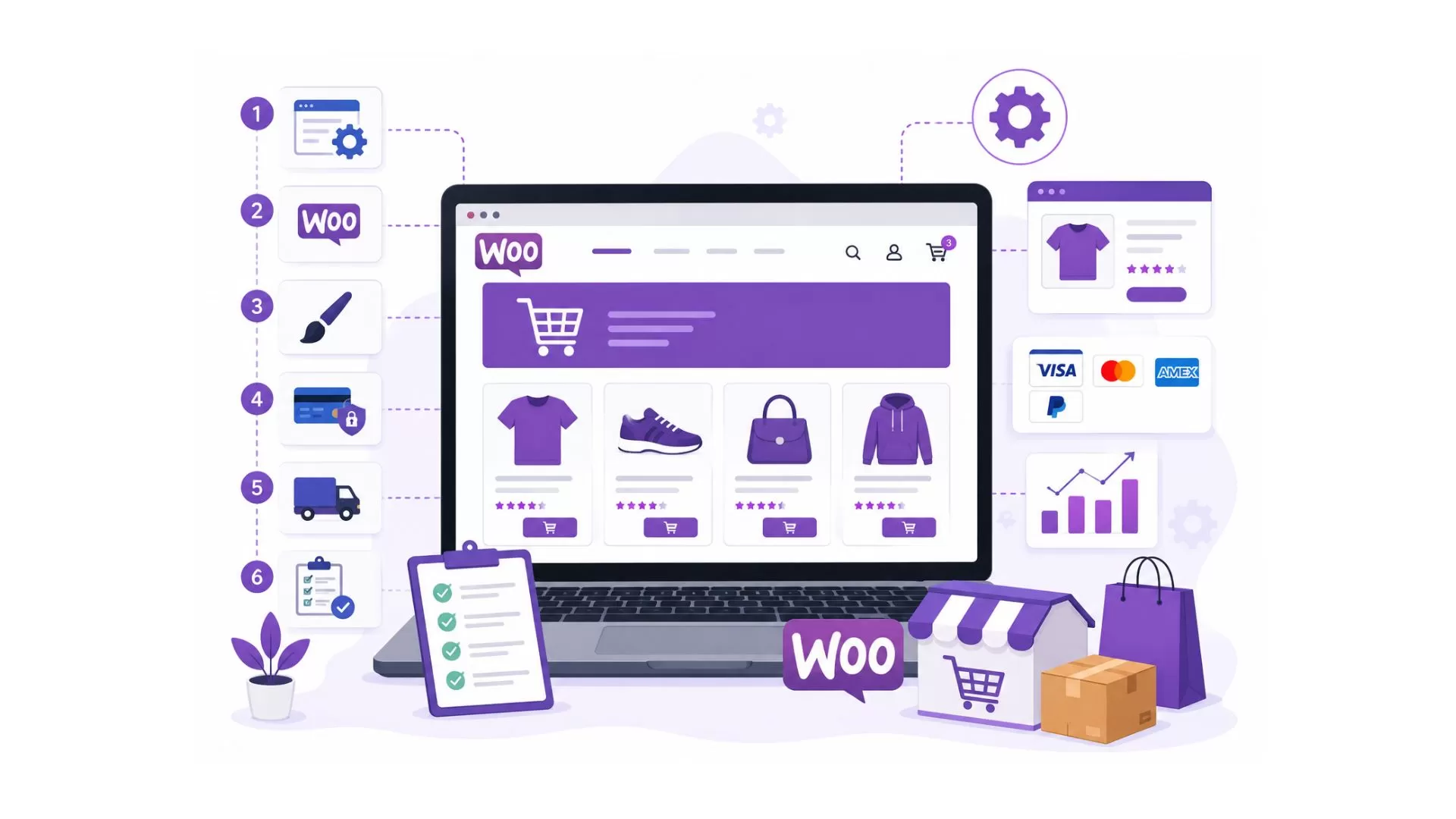
Here is a step-by-step overview of how Shopify works.
1. Create a Shopify Account
The first step is signing up for a Shopify account.
After registration, users gain access to the Shopify dashboard, where they can manage every aspect of their store. The dashboard serves as the control center for products, orders, customers, marketing, and reporting.
2. Choose a Store Theme
Shopify offers a variety of professionally designed themes that determine the appearance of the online store.
Store owners can:
- Select a free or premium theme
- Customize colors and typography
- Adjust layouts
- Add branding elements
- Optimize the mobile experience
A well-designed theme helps create a positive first impression and improves the overall customer experience.
3. Add Products
Once the store design is ready, products can be added to the catalog.
Each product listing typically includes:
- Product name
- Description
- Images
- Pricing
- Inventory details
- Product variants
- Shipping information
Detailed product pages help customers make informed purchasing decisions.
4. Configure Payment Methods
Shopify allows businesses to accept payments through various methods.
Common options include:
- Credit cards
- Debit cards
- Digital wallets
- Buy now, pay later solutions
- Alternative payment providers
Secure payment processing is essential for building customer trust and reducing checkout friction.
5. Set Up Shipping
Store owners can configure shipping settings based on their business model.
This includes:
- Shipping zones
- Delivery rates
- Local delivery options
- International shipping
- Carrier integrations
Flexible shipping options help improve customer satisfaction and increase conversion rates.
6. Launch the Store
After products, payments, and shipping settings are configured, the store is ready to go live.
If you're planning to launch your first online store, our Shopify store development guide for beginners explains the entire setup process, from choosing a theme to configuring payments and shipping.
7. Manage Orders and Customers
Once sales begin, Shopify helps merchants manage:
- Customer information
- Order processing
- Returns and refunds
- Inventory updates
- Sales reporting
This centralized management system simplifies day-to-day operations.
Key Features of Shopify
One reason Shopify is so popular is its extensive set of built-in features.
User-Friendly Store Builder
Shopify is designed for users with little or no technical experience.
The platform provides a simple interface that makes it easy to:
- Build pages
- Update content
- Add products
- Manage store settings
Business owners can launch stores without hiring developers for every task.
Mobile-Responsive Themes
Modern consumers shop across multiple devices.
Shopify themes are designed to work seamlessly on:
- Smartphones
- Tablets
- Desktop
This ensures a consistent shopping experience regardless of screen size.
Secure Payment Processing
Security plays a critical role in ecommerce.
Shopify provides:
- SSL certificates
- PCI compliance
- Secure checkout systems
- Fraud protection tools
These features help protect customer information and reduce security risks.
Inventory Management
Managing inventory becomes increasingly important as businesses grow.
Shopify helps merchants:
- Track stock levels
- Manage product variants
- Receive inventory alerts
- Monitor inventory across sales channels
Marketing Tools
Shopify includes various marketing features to support business growth.
Examples include:
- Discount codes
- Email marketing integrations
- Social media selling
- Customer segmentation
- Promotional campaigns
These tools help businesses attract and retain customers.
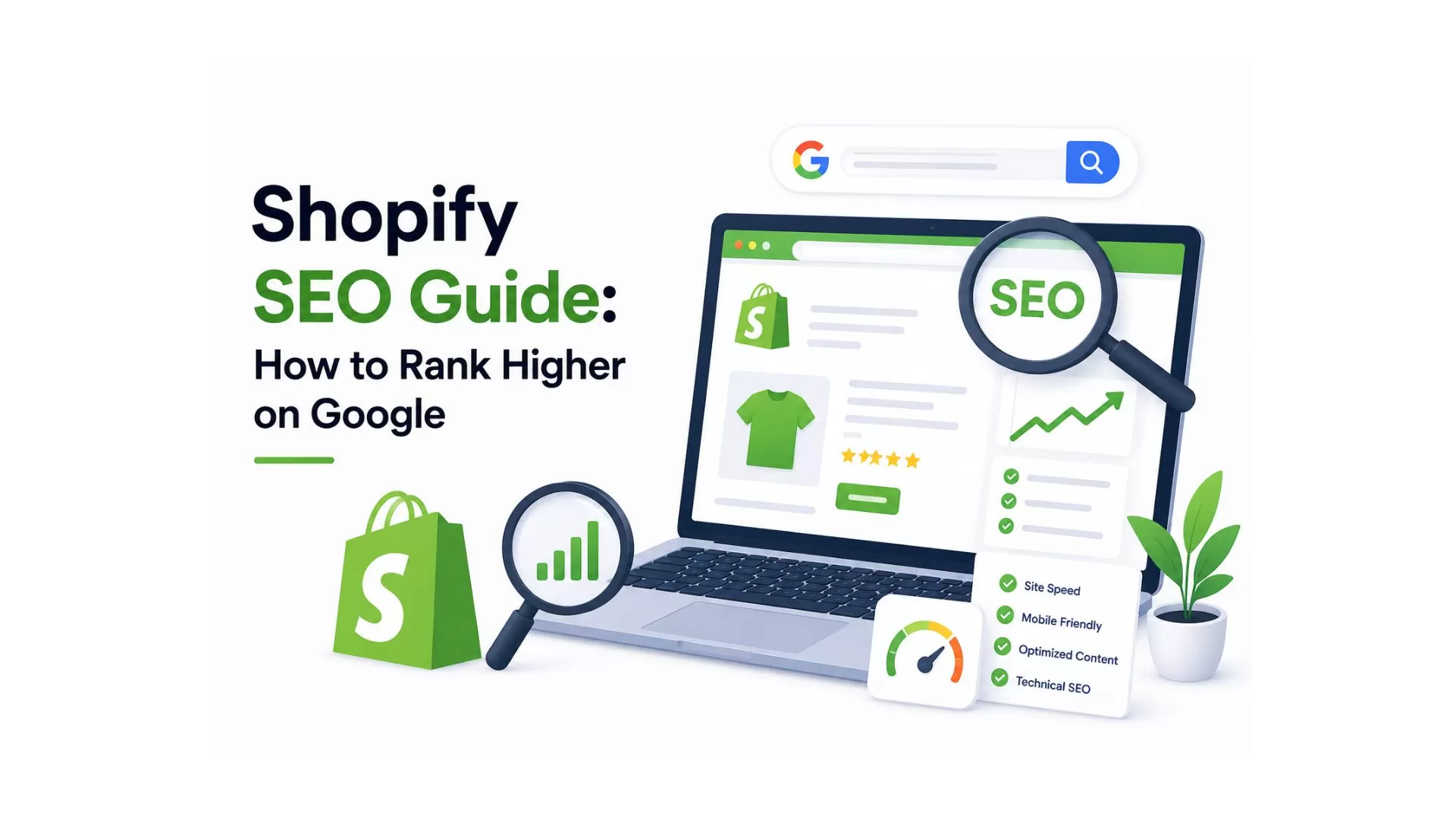
SEO-Friendly Features
Search engine visibility is important for attracting organic traffic.
Shopify provides built-in SEO features such as:
- Custom page titles
- Meta descriptions
- URL management
- Image optimization options
- Mobile-friendly design
Many businesses also invest in Shopify SEO strategies to improve rankings and increase organic traffic.
Shopify App Store
The Shopify App Store contains thousands of apps that extend store functionality.
Popular app categories include:
- Marketing
- Shipping
- Inventory management
- Customer support
- Analytics
- Automation
Businesses can customize their stores without rebuilding the platform.
Analytics and Reporting
Data helps businesses make better decisions.
Shopify provides reports on:
- Sales performance
- Customer behavior
- Product performance
- Marketing effectiveness
- Conversion rates
These insights help merchants identify opportunities for growth.
Benefits of Using Shopify
Shopify offers several advantages for businesses looking to sell online.
Easy to Use
One of Shopify's biggest strengths is simplicity.
Users can build and manage stores without advanced coding skills.
Fast Setup
Compared to traditional ecommerce development, Shopify allows businesses to launch stores much faster.
Many businesses can create a functional store within days rather than weeks or months.
Reliable Security
Shopify manages hosting, security updates, and compliance requirements, reducing the technical burden on business owners.
Scalability
As a business grows, professional Shopify web development services can help implement custom features, optimize performance, and support long-term scalability.
Multiple Sales Channels
Shopify allows businesses to sell through:
- Online stores
- Social media platforms
- Marketplaces
- Mobile devices
- Physical retail locations
This creates more opportunities to reach customers.
Strong Ecosystem
The platform's large ecosystem of apps, developers, and partners makes it easier to add advanced functionality when needed.
Who Should Use Shopify?
Shopify is suitable for a wide range of businesses.
Startups
New businesses often choose Shopify because it offers a simple and affordable way to launch online.
Small Businesses
Small businesses benefit from Shopify's ease of use and built-in ecommerce tools.
Growing Ecommerce Brands
Businesses experiencing growth can scale their operations without changing platforms.
Direct-to-Consumer Brands
D2C brands use Shopify to build direct relationships with customers and control the entire shopping experience.
Multi-Channel Retailers
Businesses selling through multiple channels can manage everything from a single platform.
Shopify vs Traditional Ecommerce Development
Many business owners compare Shopify with custom-built ecommerce websites.
Here are some key differences.
| Shopify | Traditional Ecommerce Development |
| Faster setup | Longer development process |
| Managed hosting | Self-managed hosting |
| Automatic updates | Manual updates |
| Built-in security | Custom security management |
| Lower initial investment | Higher development costs |
| Easy maintenance | Ongoing technical maintenance |
For many businesses, Shopify provides a faster and more cost-effective route to launching an online store.
Shopify Pricing Plans Explained
Shopify offers multiple pricing plans designed for different business needs.
Generally, plans vary based on:
- Number of staff accounts
- Reporting capabilities
- Transaction fees
- Advanced features
- Automation tools
Businesses should choose a plan based on their current requirements while considering future growth.
While Shopify subscription plans are an important factor, businesses should also understand the overall Shopify website development cost, including design, customization, integrations, and ongoing maintenance expenses.
Common Shopify Myths
Shopify Is Only for Small Businesses
This is one of the most common misconceptions.
Many large brands and high-volume stores successfully operate on Shopify.
Shopify Is Not SEO Friendly
Shopify includes numerous SEO features that help businesses improve search visibility when implemented correctly.
Shopify Limits Customization
While Shopify is beginner-friendly, developers can create custom functionality, themes, and integrations when needed.
Shopify Is Only for Physical Products
Businesses can also sell:
- Digital products
- Services
- Memberships
- Online courses
- Event tickets
Common Shopify Mistakes to Avoid
Even with a user-friendly platform, mistakes can impact store performance.
Common mistakes include:
- Choosing the wrong theme
- Ignoring mobile optimization
- Using low-quality product images
- Writing weak product descriptions
- Neglecting SEO
- Installing unnecessary apps
- Creating a complicated checkout process
Avoiding these issues can improve both user experience and conversion rates.
When Should You Hire Shopify Experts?
While Shopify is designed to be easy to use, some businesses require advanced functionality that goes beyond standard setup.
Hiring Shopify experts can be beneficial when you need:
- Custom theme development
- Advanced integrations
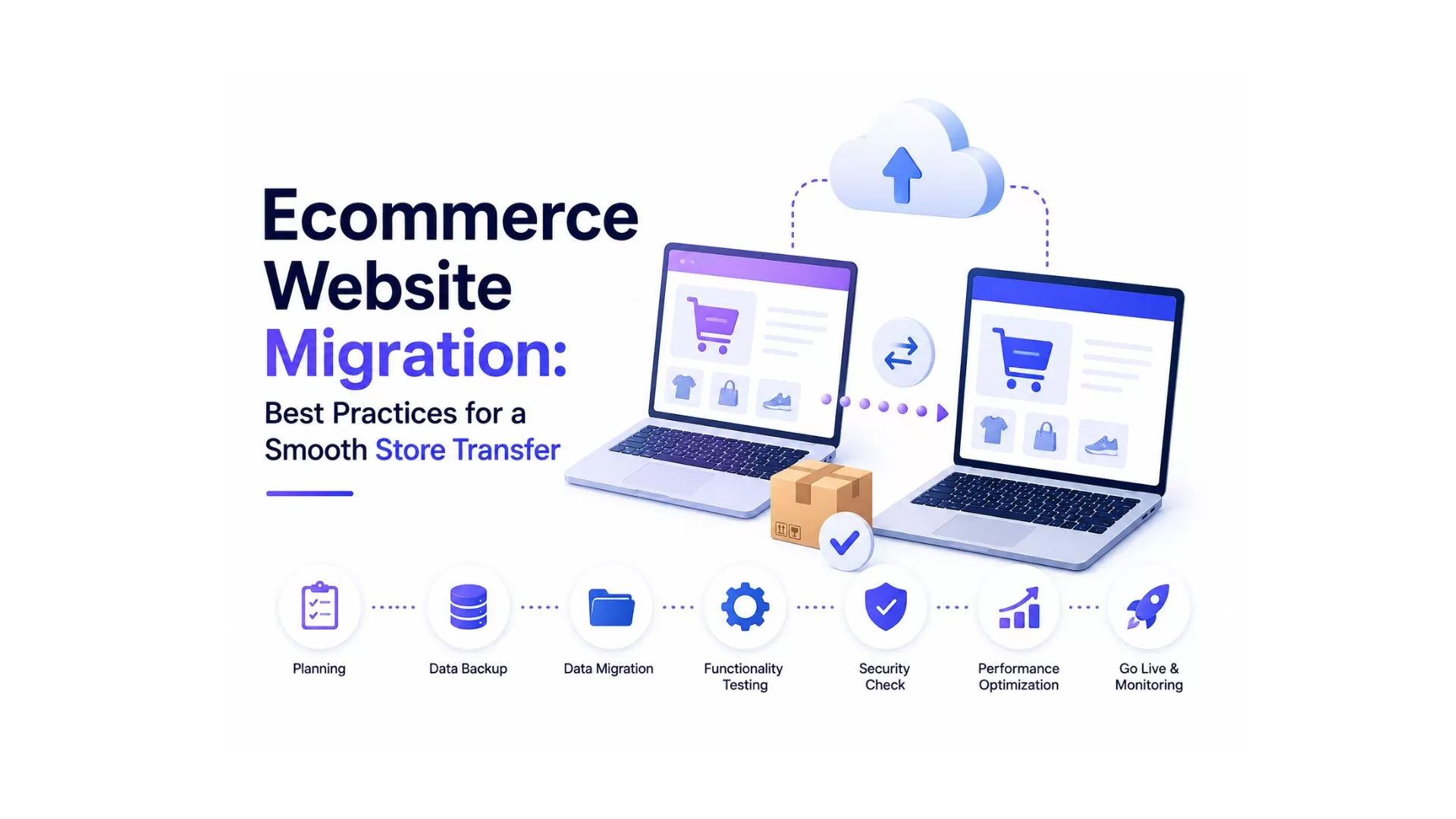
- Store migration
- Performance optimization
- Custom features
- Conversion-focused design improvements
Businesses that want a highly customized online store often work with experienced Shopify development professionals to ensure the platform aligns with their goals.
Conclusion
Shopify has become one of the most trusted ecommerce platforms because it makes online selling accessible, efficient, and scalable. From store creation and payment processing to inventory management and marketing, Shopify provides the tools businesses need to build and grow successful online stores.
Whether you're launching your first ecommerce business or expanding an existing brand, Shopify offers a flexible solution that can adapt as your business evolves. By understanding how Shopify works and using its features effectively, businesses can create a strong online presence and deliver better shopping experiences to their customers.