Key Takeaways
- Ecommerce development involves building and maintaining online stores that allow businesses to sell products and services online.
- It includes website design, platform selection, payment integration, security, and performance optimization.
- A well-developed ecommerce website improves customer experience, increases sales opportunities, and supports business growth.
- Popular ecommerce platforms include Shopify, WooCommerce, Magento, and custom-built solutions.
- Ongoing maintenance and optimization are essential for long-term ecommerce success.
Online shopping has become a standard part of how people buy products and services. Whether someone is ordering clothing, electronics, groceries, or digital products, they expect a smooth and secure shopping experience. Behind every successful online store is a well-developed ecommerce website.
If you have ever wondered what ecommerce development is and why it matters for businesses, this guide will help you understand the process, benefits, and key components involved in building a successful online store. The Global E-commerce Market will grow from USD 26.11 Trillion in 2025 to USD 75.16 Trillion by 2031 at a 19.27% CAGR.
What Is Ecommerce Development?
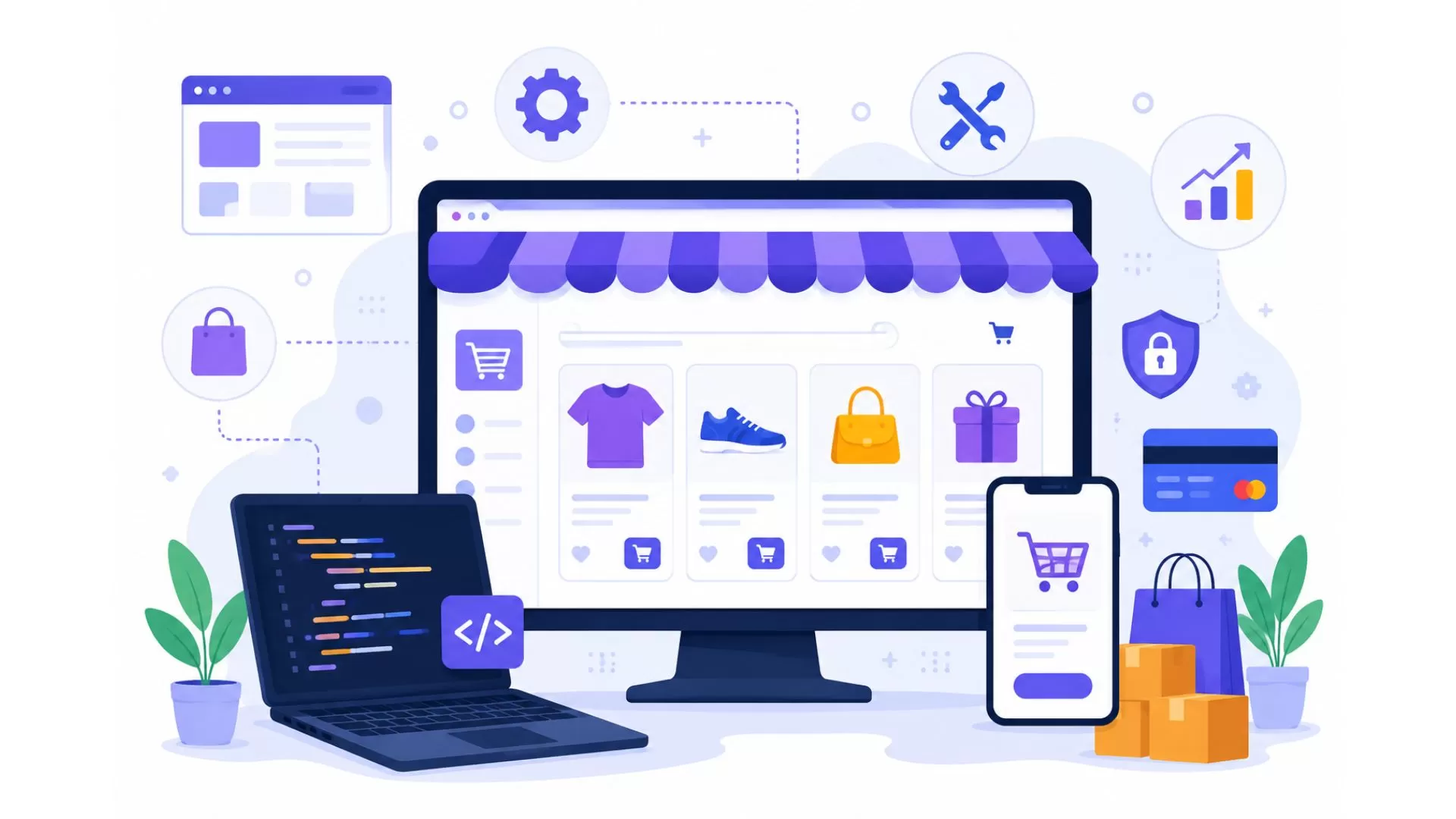
Ecommerce development is the process of designing, building, customizing, and maintaining an online store that allows businesses to sell products or services over the internet.
It involves much more than creating a website. Ecommerce development focuses on building a platform where customers can browse products, add items to a cart, make secure payments, and manage orders efficiently.
A professionally developed ecommerce website combines design, functionality, security, performance, and user experience to support online sales and business growth.
Ecommerce development refers to creating and managing online stores that enable businesses to sell products or services digitally through a secure and user-friendly platform.
Why Is Ecommerce Development Important?
Consumers expect convenience when shopping online. A poorly designed website can result in lost sales, abandoned carts, and reduced customer trust.
Effective ecommerce development helps businesses:
- Reach customers worldwide
- Sell products 24/7
- Improve customer experience
- Increase revenue opportunities
- Streamline inventory management
- Support business scalability
- Build brand credibility
A strong ecommerce website serves as the foundation of an online business and plays a major role in attracting and converting customers.
How Does Ecommerce Development Work?
The ecommerce development process typically follows several stages.
1. Business Analysis and Planning
Before development begins, businesses need to define:
- Target audience
- Product categories
- Business goals
- Competitor landscape
- Required features
Planning ensures the website is aligned with business objectives and customer expectations.
2. Platform Selection
Choosing the right platform is one of the most important decisions in ecommerce development.
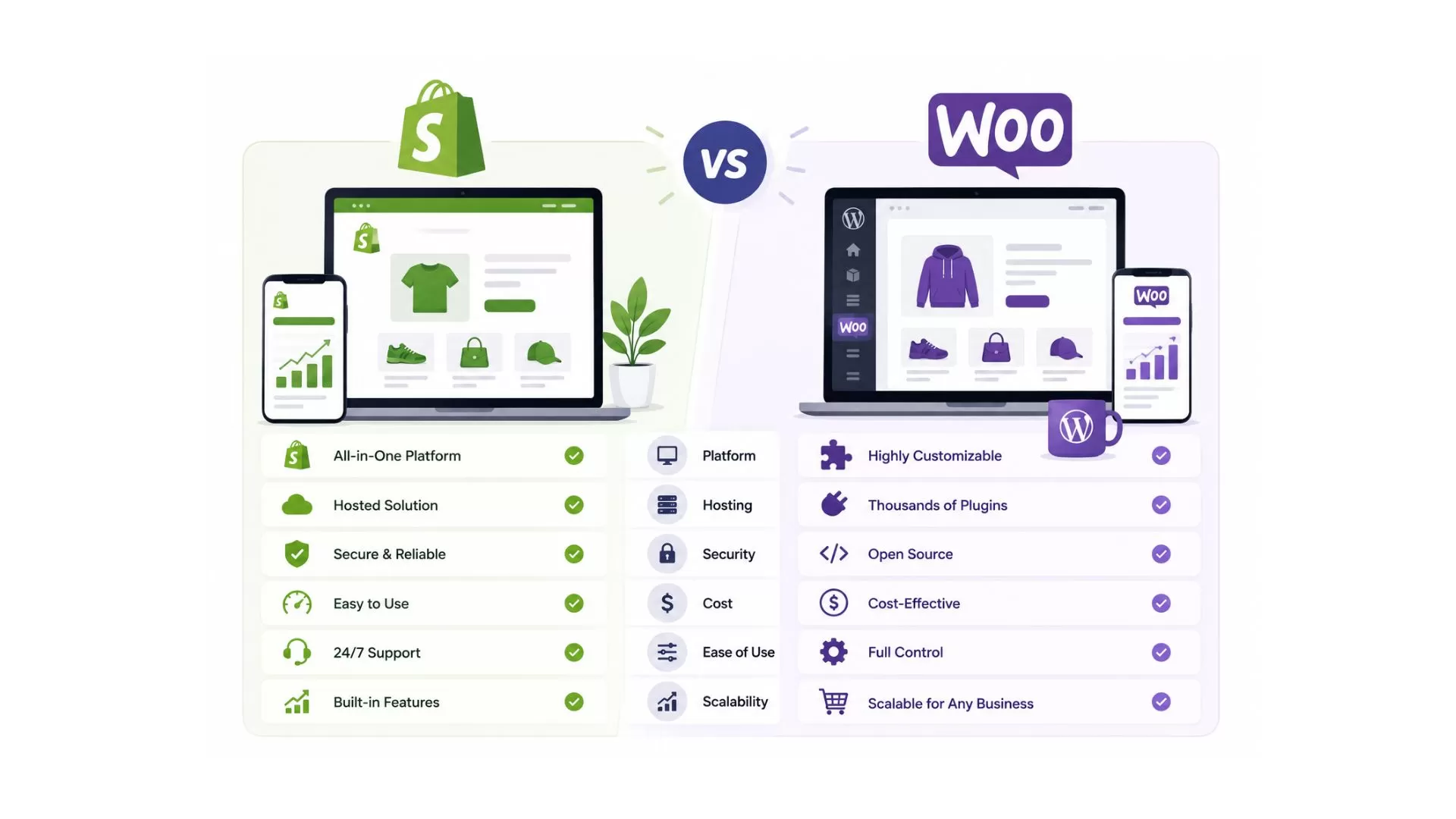
Popular ecommerce platforms include:
The right platform depends on factors such as budget, scalability, customization requirements, and long-term business goals.
3. Website Design
Design focuses on creating a user-friendly shopping experience.
Key elements include:
- Mobile responsiveness
- Clear navigation
- Product page design
- Checkout experience
- Visual branding
- Accessibility
An attractive and intuitive design encourages visitors to stay longer and complete purchases.
4. Development and Customization
This stage involves building website functionality such as:
- Product catalogs
- Shopping carts
- User accounts
- Search features
- Payment gateways
- Shipping integrations
Businesses that require unique features often invest in custom ecommerce development to meet specific operational needs.
5. Testing and Quality Assurance
Before launching the website, developers test:
- Website speed
- Mobile compatibility
- Payment functionality
- Security measures
- Checkout process
- Browser compatibility
Testing helps identify and fix issues that could negatively impact user experience.
6. Launch and Ongoing Maintenance
After launch, continuous updates and monitoring are necessary to maintain performance and security.
This includes:
- Software updates
- Security patches
- Performance optimization
- Bug fixes
- Feature enhancements
Regular maintenance ensures the website continues to operate efficiently as the business grows.
Key Components of Ecommerce Development
Successful ecommerce websites contain several essential components.
Product Management
A product management system allows businesses to:
- Add products
- Update inventory
- Manage categories
- Upload images
- Edit pricing
Efficient product management improves operational efficiency and customer experience.
Shopping Cart Functionality
The shopping cart enables customers to:
- Add products
- Update quantities
- Save items
- Review purchases
A seamless cart experience reduces friction during the buying process.
Secure Payment Processing
Customers need confidence when making online payments.
Common payment methods include:
- Credit cards
- Debit cards
- Digital wallets
- Bank transfers
- Buy-now-pay-later solutions
Secure payment gateways protect customer information and help build trust.
Order Management
Order management systems help businesses:
- Track orders
- Process shipments
- Manage returns
- Handle customer communication
This improves operational efficiency and customer satisfaction.
Customer Account Features
Customer accounts allow users to:
- Save addresses
- Track orders
- View purchase history
- Manage preferences
These features encourage repeat purchases and long-term customer relationships.
Types of Ecommerce Development
Different businesses require different ecommerce solutions.
Business-to-Consumer (B2C)
B2C ecommerce involves businesses selling directly to consumers.
Examples include:
- Fashion stores
- Electronics retailers
- Beauty brands
This is the most common type of ecommerce model.
Business-to-Business (B2B)
B2B ecommerce focuses on transactions between businesses.
Features often include:
- Bulk ordering
- Custom pricing
- Account management
- Purchase approvals
Consumer-to-Consumer (C2C)
C2C platforms allow consumers to sell products to other consumers through a marketplace.
Direct-to-Consumer (D2C)
D2C brands sell products directly to customers without intermediaries.
This model gives businesses greater control over customer experience and profitability.
Ecommerce Development vs Traditional Website Development
Many people assume ecommerce websites are the same as standard business websites, but there are important differences.
| Ecommerce Website | Traditional Website |
| Supports online sales | Focuses on information |
| Includes payment processing | No payment functionality |
| Product management system | Basic content management |
| Shopping cart and checkout | Contact forms only |
| Inventory tracking | No inventory management |
| Order processing | No order handling |
Ecommerce websites require more advanced functionality because they support transactions and customer management.
Essential Features of a Modern Ecommerce Website
Today's online shoppers expect a smooth experience across devices.
Important features include:
Mobile-Friendly Design
Most ecommerce traffic now comes from mobile devices. A responsive website ensures a consistent experience across smartphones, tablets, and desktops.
Fast Loading Speed
Slow websites often lead to higher bounce rates and lower conversions.
Speed optimization improves:
- User experience
- Search visibility
- Conversion rates
Advanced Search Functionality
Customers should be able to quickly find products using:
- Keyword search
- Filters
- Categories
- Sorting options
Secure Checkout
A simple and secure checkout process helps reduce cart abandonment.
SEO-Friendly Structure
Search engine optimization helps ecommerce websites attract organic traffic.
Important SEO elements include:
- Optimized URLs
- Structured headings
- Product schema
- Internal linking
- Fast performance
Businesses looking to improve visibility often invest in ecommerce SEO as part of their overall digital growth strategy.
Customer Reviews
Reviews provide social proof and help customers make informed purchasing decisions.
Benefits of Ecommerce Development for Businesses
Professional ecommerce development offers numerous advantages.
Increased Market Reach
Businesses can serve customers beyond their local area and expand into new markets.
Improved Customer Convenience
Customers can browse and purchase products anytime from anywhere.
Better Scalability
A well-developed ecommerce platform can grow alongside the business.
Enhanced Brand Presence
An online store strengthens brand visibility and credibility.
Data-Driven Decisions
Businesses gain access to valuable customer and sales data that supports strategic decision-making.
Common Ecommerce Development Challenges
While ecommerce offers significant opportunities, businesses often face challenges such as:
- Platform selection
- Security concerns
- Mobile optimization
- Website speed
- Inventory management
- Payment integration
- Ongoing maintenance
Working with experienced ecommerce developers can help address these challenges effectively.
How to Choose the Right Ecommerce Development Solution
When selecting an ecommerce solution, consider:
Business Goals
Identify short-term and long-term objectives.
Budget
Determine how much you can invest in development and ongoing maintenance.
Scalability
Choose a solution that can support future growth.
Customization Requirements
Some businesses need advanced functionality that may require custom development.
Integration Needs
Ensure compatibility with:
- CRM systems
- Payment gateways
- Shipping providers
- Marketing tools
Conclusion
Ecommerce development is much more than building an online store. It involves creating a secure, scalable, and user-friendly platform that supports business growth and customer satisfaction.
From platform selection and website design to payment integration and ongoing maintenance, every aspect of ecommerce development plays a role in the success of an online business.
As online shopping continues to grow, businesses that invest in professional ecommerce development are better positioned to attract customers, increase sales, and stay competitive in an increasingly digital marketplace.
Frequently Asked Questions
Ecommerce development is the process of creating and managing online stores that allow businesses to sell products or services digitally.
It helps businesses reach more customers, increase sales, improve user experience, and streamline operations.
The best platform depends on business requirements. Shopify, WooCommerce, Magento, and custom solutions are common options.
Costs vary based on platform, features, design complexity, and customization requirements.
Yes. Ecommerce websites help small businesses expand their reach, improve customer convenience, and compete effectively in the digital marketplace.