In this digital age, eCommerce is no longer just an option for businesses. It's a crucial component of success. Whether you're starting a new online store or revamping an existing platform, the need to hire ecommerce developers will always be there. But with so many choices available, how do you ensure that you're hiring the right team for your project? Don’t worry. In this blog, we’ll go deep into factors to consider when you hire a developer.
Follow These Handy Tips, to Hire Ecommerce Developer
Understanding Your Needs
Before you even start the hiring process, it's vital to understand your eCommerce needs fully. Identifying your requirements can save you time and resources in the long run.
- Short-term Goals: Are you aiming to launch a website quickly with minimal features, or do you require a comprehensive site with advanced functionalities?
- Long-term Objectives: Consider potential growth and scalability. How will your site evolve, and what technologies might support that growth?
Evaluate Your Budget
- Be clear about how much you are willing to invest in your eCommerce platform.
- Understand the difference between a one-time payment for the website build and ongoing costs such as maintenance and updates.
Technical Expertise and Skills
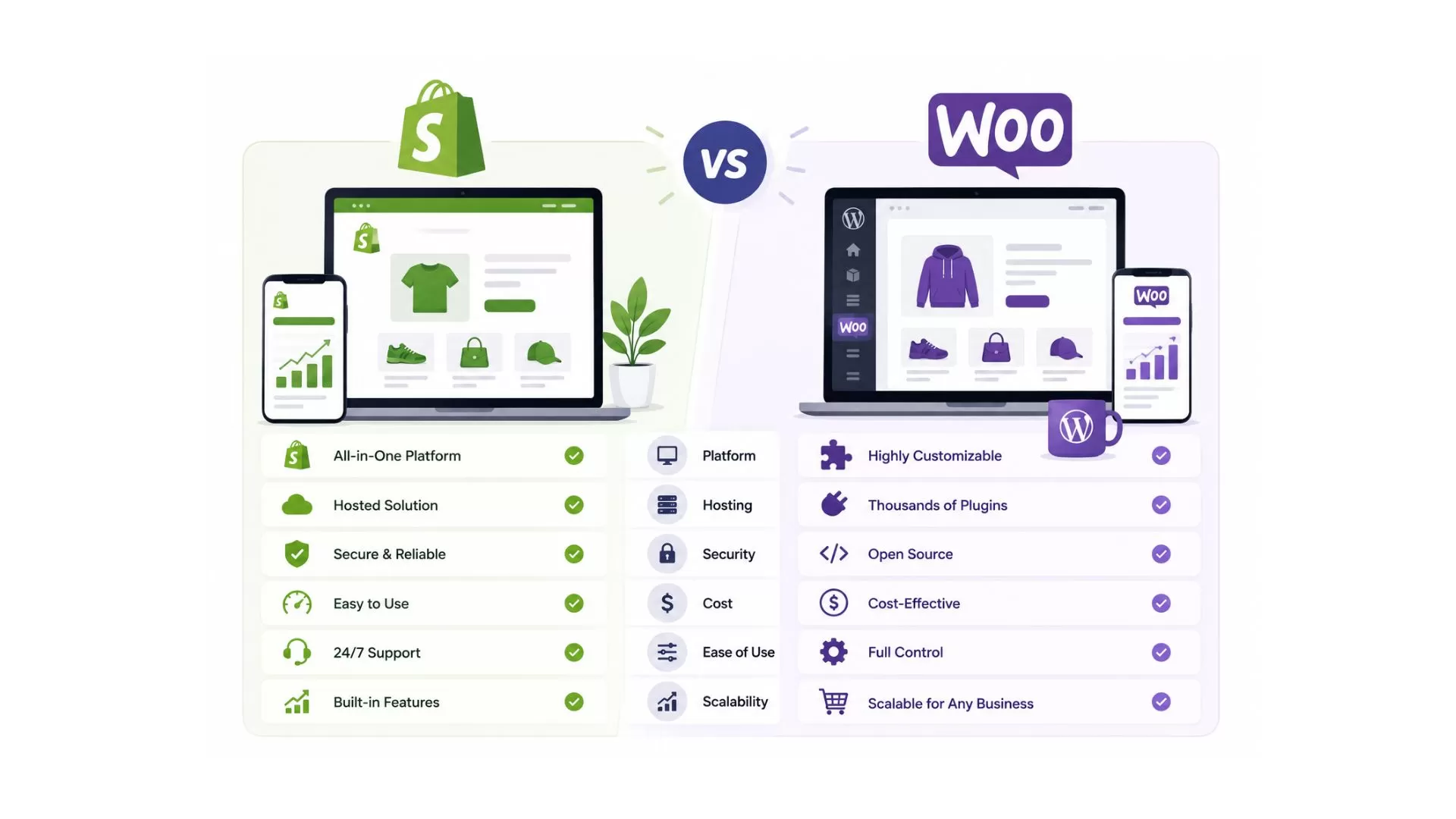
The technology behind your eCommerce site is the backbone of your online business. So when you hire E-commerce web developers, ensure they have experience with major platforms like Shopify, Magento, WooCommerce, or BigCommerce, depending on your choice. Ask if they can modify platform features to tailor them to your specific needs.
The developer should prioritize designing sites that are mobile-friendly, as over 50% of global website traffic now comes from mobile devices.
Proficiency in Key Programming Languages
The backbone of any robust online store is clean, efficient code.
Top developers should have mastery of:
- HTML/CSS - The foundation of any website
- JavaScript - Essential for interactive elements
- PHP - Powers platforms like Magento and WooCommerce
- Python - Great for data analysis and backend functionality
- Ruby - Used in custom solutions and Ruby on Rails shops
A developer who claims to "know everything" might be overreaching. What you want is someone who's deeply skilled in a few relevant languages and knows how to leverage them specifically for ecommerce. Ask potential hires about their preferred languages and why they choose them for specific ecommerce tasks. Their answers will reveal a lot about their problem-solving approach.
Experience with E-commerce Platforms
The ecommerce platform landscape is huge, and not all developers have worked with every solution. Your potential developer should have hands-on experience with platforms relevant to your business needs. Don't just take their word for it. Ask for specific examples of stores they've built or modified on these platforms. A good developer will have a portfolio showing their platform expertise.
Mobile Responsiveness Skills
Mobile commerce isn't just important - it's everything. Over 70% of ecommerce traffic comes from mobile devices in 2025.
Your developer needs to demonstrate:
- Responsive design implementation
- Touch-friendly interface creation
- Mobile performance optimization
- Progressive Web App (PWA) experience
- Mobile-first design thinking
Good developers test on actual devices, not just simulators. They should talk about viewport considerations, touch targets, and how they handle the challenges of smaller screens.
Integration Capabilities with Payment Gateways and APIs
Your store is only as good as its connections to the outside world. Payment processing, shipping calculators, inventory systems - they all need to work flawlessly together. Quality developers demonstrate expertise with:
- Major payment gateways (Stripe, PayPal, Square)
- RESTful API implementation
- Third-party service integration (shipping, taxes)
- Real-time synchronization solutions
- Custom API development when needed
This isn't just about technical knowledge - it's about security and reliability. Good developers follow best practices for handling sensitive customer payment data.
Portfolio and Track Record
Past performance is often indicative of future results. Here are ways to scrutinize a developer's track record. When you hire ecommerce developer, ask for a portfolio or case studies showcasing previous eCommerce websites they’ve developed. Movie, visit websites developed by them to gauge loading time, usability, and overall design aesthetics.
Quality of Previous E-commerce Projects
Look beyond pretty screenshots. Dig into the functionality. Does their work include seamless payment gateways? Mobile-responsive designs? Fast loading times? These elements make or break online stores.
The best developers showcase diverse projects - from simple shops to complex marketplace platforms. This range demonstrates their adaptability to different business needs. Pay attention to the user experience in their previous work. Navigate through their completed sites. Is the shopping journey intuitive? Can you find products easily? A clunky user experience will cost you customers, no matter how beautiful the site looks.
Industry-Specific Experience
Developers who've worked in your industry already understand your unique challenges. They know what features your customers expect, what inventory systems integrate best, and what SEO strategies work for businesses like yours.
Industry experience means fewer learning curves and more shortcuts to success. A developer who's built five jewelry websites will likely build your jewelry store faster and better than someone building their first. This doesn't mean developers can't cross industries successfully. But when they do, ask how they plan to address your sector's specific requirements.
Success Metrics of Past Websites
Don't just ask if their websites look good - ask if they perform well. Smart developers track results.
Request concrete numbers:
- Conversion rate improvements
- Page load speed optimization
- Cart abandonment reduction
- Mobile traffic performance
- SEO ranking changes
A developer worth hiring will have these metrics ready. They should be proud to share how their work directly contributed to client success.
Client Testimonials and Reviews
While you hire ecommerce development agency or developer, seek out reviews from past clients, which can provide insights into their work ethic and reliability. Don’t just rely on reviews on their website—check third-party sites or industry forums for unbiased opinions.
Look for developers whose work matches the kind of user experience you envision for your site. Ask former clients about the developer's problem-solving skills and adaptability.
Skip the generic "great service" testimonials on their website. They're filtered to show only glowing reviews.
Instead, ask for:
- Direct contact information for past clients
- Case studies with detailed project journeys
- Long-term clients who've worked with them on multiple projects
When you speak with references, dig deep with questions like:
- How did they handle unexpected challenges?
- Did they meet deadlines and budgets?
- Was communication clear throughout the project?
- What maintenance support did they provide after launch?
Communication and Project Management
Good communication is key to any successful project, particularly one as dynamic as website development. So, evaluate how promptly they respond to your inquiries during the initial discussions. Moreover, clarify how communication will be handled throughout the project and the frequency of updates or meetings. Request a clear project timeline with milestones and deliverables, along with discussing how challenges or delays will be communicated and resolved.
Understanding Best Practices of Ecommerce and Marketing
A thoughtful eCommerce developer should also incorporate basic SEO principles and have an understanding of digital marketing. Confirm the development team has experience implementing SEO-friendly practices, such as clean coding, fast loading speeds, and optimized site architecture. Ensure the developer can integrate marketing tools for analytics, social media sharing, and email marketing.
When hiring ecommerce developers, you need people who get what makes online shoppers tick.
Good UX designers don't just make pretty websites. They create seamless journeys that turn browsers into buyers. Your developer should obsess over the little things - how many clicks it takes to checkout, whether your product photos zoom smoothly, if your mobile experience is just as good as desktop.
Conversion Rate Optimization Skills
Ever had a developer who built a gorgeous site that nobody bought from? That's the difference between a designer and a CRO expert.
When you hire E-commerce web developers, consider these points.
- A/B testing product page layouts
- Analyzing user behavior with tools like Hotjar
- Testing different call-to-action buttons
- Optimizing for micro-conversions
Good developers don't guess what works - they test, measure, and improve based on actual customer behavior. They understand that a beautiful site that doesn't convert is just digital art, not a business tool.
SEO and Digital Marketing Awareness
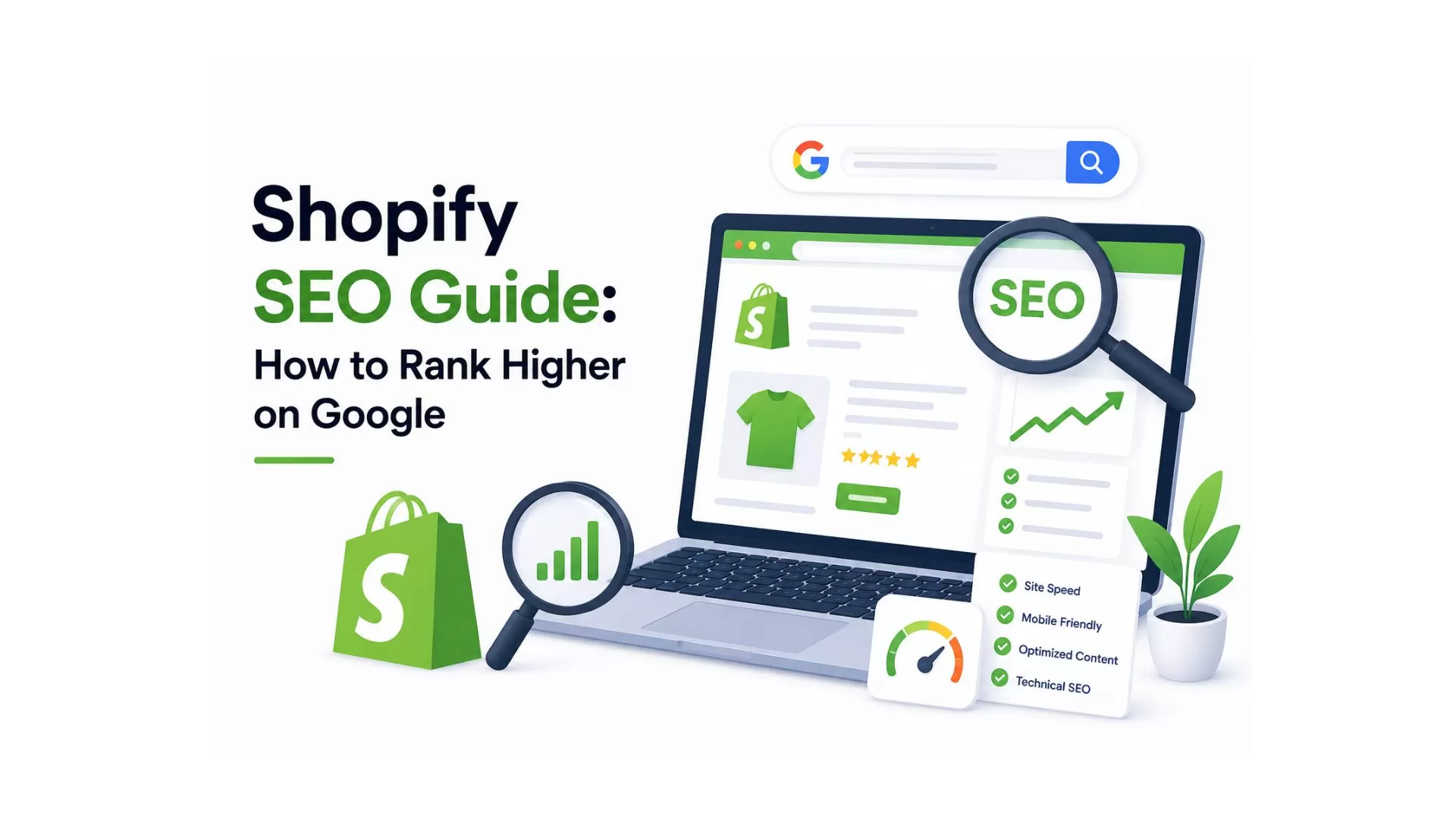
Your developer doesn't need to be an SEO guru, but they should understand how their code affects your visibility. The technical stuff matters - site speed, mobile responsiveness, schema markup, clean URLs. These aren't just buzzwords. They're ranking factors that determine whether customers find you or your competitors.
Smart developers build sites with marketing in mind:
- Product pages optimized for keywords
- Clean URL structures
- Fast-loading images that don't sacrifice quality
- Proper heading hierarchy
Project Management Approach
When hiring for ecommerce website developers, their project management approach can make or break your project. The development methodology they use isn't just some term. It directly impacts how your project unfolds.
Most developers use either Agile or Waterfall methodologies. Agile is like building your website in small chunks with constant feedback loops. You'll see regular updates, have flexibility to make changes, and spot issues early. Perfect if your requirements might evolve. Waterfall, on the other hand, follows a linear path—plan everything upfront, then execute step by step. It works well when you have crystal-clear requirements that won't change. Follow these tips, and hire ecommerce developer.
Conclusion
Choosing the right eCommerce website developers is an investment in your business's success. By thoroughly evaluating your needs, examining the developer's expertise, checking their track record, ensuring good communication, and understanding their SEO capabilities, you put yourself in a strong position to make an informed decision. Remember, the foundation of any robust eCommerce site lies in the depth of the conversations you have at the outset of your development journey.
Frequently Asked Questions
When hiring an eCommerce developer, look for experience with the platforms you’re interested in (e.g., Shopify, Magento, WooCommerce), mobile responsiveness skills, knowledge of key programming languages (HTML/CSS, JavaScript, PHP, Python), and a strong portfolio of previous projects.
A one-time payment covers the initial development of your website, while ongoing costs include things like website maintenance, updates, security patches, and hosting fees. Be sure to clarify these costs upfront when discussing your project with a developer.
Look for developers who have worked on projects similar to your business. Review not just the aesthetics but also functionality, such as how well the payment gateway works, if the site is mobile-friendly, and how fast the website loads. A developer should be able to provide specific case studies and metrics like improved conversion rates or reduced cart abandonment.